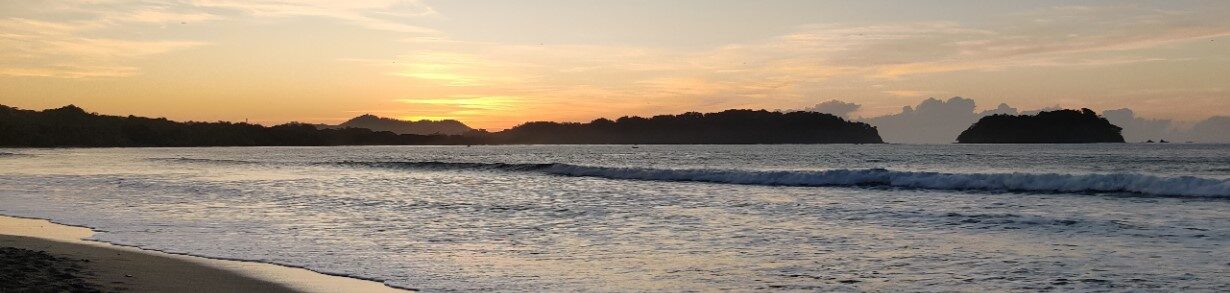


Yep, we probably would have said the same thing last week during our stay about Mo’orea in French Polynesia, but we actually like this place better. Mo’orea might be a bit more beautiful but overall we enjoyed out time on Rarotonga much more. Rarotonga still has beautiful beaches (and more publicly accessible), but it also has easier transportation, is much more affordable, and just gave us an overall friendly, peaceful, relaxing vibe. It is also difficult to say that this is our favorite tropical island because of our love of Thailand Islands. We still love Thailand, but we really had a great time in the Cook Islands this week. I also shouldn’t forget about the Galapagos :>) This post is mostly about comparing Tahiti/Mo’orea with Cook Islands because of our recent 1 week stay on each of them.

The Cook Islands are a big unknown for a lot of the world. The country is a “protectorate” of New Zealand and uses NZ dollars. It’s biggest tourism problem is the isolated location. It is a 4 hour flight from Auckland and a 7 hours flight from Sidney so most of the tourists we saw on the island were Kiwi’s and Australians. There is one weekly 6 hour flight from Honolulu which could be good option for North American tourists. We came on the 2.5 hour flight from Papeete, Tahiti which is also connected to several USA West Coast cities. It isn’t impossible to get to but it takes a bit of planning to find the right flights on the right days.
English is spoken by nearly everyone and most also speak Cook Islands Maori. We missed the French food of Tahiti and Mo’orea but we did not miss speaking French. There are only 13,000 residents of the Cook Islands with 10,000 of them living on Rarotonga which is the only island that we visited. Like Mo’orea, there is negative population growth because young people are leaving to find more lucrative work than tourism. There is not a huge housing demand so we were able to find several very reasonable Airbnb options. Most came without Air Conditioning (AC isn’t common on the island, except in resorts) which was a big negative in the muggy 85 degree heat. We stayed at a place on the beach for $70 per night with free kayaks and daily deliveries of fruit from the host. We would totally recommend our little hut if you don’t mind sitting on the bed to watch TV and you can live without AC. We spent most of our time on the patio.


Rarotonga is about the size of Lopez Island in Washington state and takes about 45 miles to drive around on the ring road. There isn’t much on the interior because of the steep old volcanos and jungles between them. There is a 7 km hike across the middle of the island but we are here during rainy season and the trail appeared to be mostly slippery mud so we skipped it. There is one small town near the airport but also many smaller groups of restaurants all around the island so you really could be find staying most places and still find communities within walking distance. There are 2 local buses, one clockwise, and one counter clockwise, that go around the island once an hour. They worked great and is something that Mo’orea really could use. Transportation is so much easier on Rarotonga even though you need to plan ahead or wait a while for the hourly bus sometimes. We also rented a car one day for about $50 US which was the same price we paid for the 50cc scooter on Mo’orea. The car allowed us to try out several beaches to find our favorite snorkeling.


The island has a coral reef surrounding it similar to Tahiti which creates some fantastic lagoons of calm clear water. The beach in front of our Airbnb was only about a foot deep for a few hundred feet so it got really really warm. Wading out a ways to get to deeper “cooler” water of 86 degrees wasn’t always the best way to beat the tropical heat. Many other beaches were deeper right away and provided some pretty good snorkeling. We didn’t see the stingrays and reef sharks like Mo’orea but there were some turtles in some areas. The snorkel and turtle tour boats were going to the same areas that we can access by land so we didn’t to any boat tours. Beaches were much longer and had way more public access than we found on Mo’orea. We did find some good fish.


The food on the island mostly consisted of seafood and typical beach bar food of hamburgers and pizza. It was very reasonably priced and we ended up under our daily budget most days. Of course, we didn’t seek out the fancy restaurants and were happy eating at the food trucks, takeaway stands and beach shacks. Our Airbnb was in walking distance of a small night market which we tried on a couple of nights. There is also a Saturday market in the main town that we snacked at one Saturday morning. We also had a bar down the road that we were able to watch the Seahawks playoff game while eating island bar food. Go Hawks!! The thing to order on Rarotonga is any type of fish because it is always super fresh. The signature Cook Islands dish was Ika Mata which is raw fish marinated with some vegies in lime and coconut. Very similar to Poisson Cru in Tahiti but we liked the creaminess on the coconut of Ika Mata better on Rarotonga.


We are on Rarotonga in January which is off season – and it is the rainy season. January can get more than 10 inches of rain and we felt that we may have gotten that much rain in one week. In 2025, we seemed to go the entire year traveling in dry season all over the world and didn’t really get rained on until we returned to Seattle for a couple weeks in December. 2026 does not seem to be shaping up the same as 2025. We had our share of rain on the islands and it might not get much better as we head to New Zealand. But, we have all the time in the world and were able to enjoy the sunbreaks on almost every day on Rarotonga. Sometimes you just need to have some patience to enjoy the beach.
We had a great time doing nothing on this island. Yes, we did beach walks, kayaks and some swimming and snorkeling, but didn’t really pay for any attractions. We walked to the small local museum which is actually very good giving us a background on the history of the Cook Islands and the South Pacific migrations. The big excursion here is to fly to the small island of Aitutaki for a day trip. Aitutaki is supposed to be an absolutely amazing Bora Bora type Atoll with some great snorkeling. It seemed like a lot of money for a snorkel day trip so we skipped it. There were some snorkel trips and Luau type cultural dinners that we also didn’t try out. The real attraction here is just the nature. The beaches and lagoons are just amazing and we have a lot of incredible pics. I had a hard time putting down the camera.


We really enjoyed our time here and are going to be ambassadors to get others to find a way to come here and check it out. For our friends that love visiting Hawaii, we encourage you to look into finding a way to see a different side of the South Pacific. It takes some doing to get here but can be done on a budget much easier than a trip to Tahiti and Mo’orea. Next stop for us New Zealand!!! our first stop is the big city of Auckland.